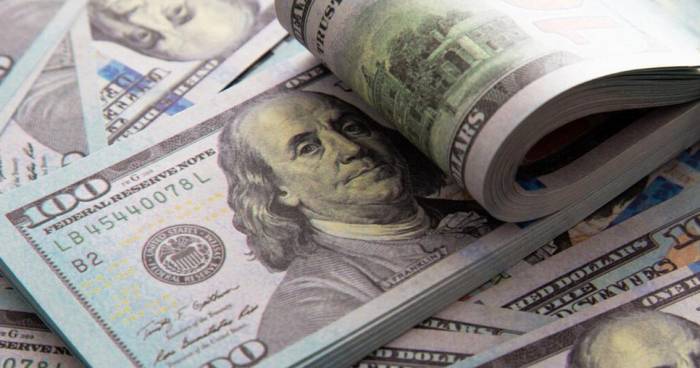
Ask most people where a central bank's money comes from, and you'll get a simple answer: they print it. That mental image of printing presses churning out cash is powerful, but it's also almost completely wrong when we talk about the central bank's own money. The reality is far more interesting, and it hinges on a concept most of us never think about: the central bank's balance sheet.
Having spent years analyzing monetary policy reports and central bank financial statements, I can tell you the process is less about physical creation and more about legal and accounting alchemy. The money a central bank uses to steer the economy, to act as a lender of last resort, and to manage the nation's currency doesn't magically appear. It comes from specific, traceable sources that reflect its unique role. Let's cut through the myth and look at the four main wells a central bank draws from.
What You'll Find Inside
The Four Main Sources of Central Bank Money
Think of a central bank like a very special, very powerful bank. It needs funds (assets) to back up its actions and its liabilities (like the currency it issues). These funds come from a handful of key activities.
1. Foreign Exchange Reserves
This is often a massive chunk. When your country's exporters sell goods abroad, they get paid in foreign currency—dollars, euros, yen. They typically sell this to commercial banks for local currency. To prevent the local currency from appreciating too rapidly (which could hurt other exporters), the central bank might step in and buy those foreign currencies from the commercial banks. What does it use to buy them? It creates new local currency reserves in the commercial bank's account at the central bank. Poof. New central bank money is created, backed by the newly acquired pile of US Treasuries or Eurobonds. The size of these reserves can be staggering. According to data from the International Monetary Fund, global foreign exchange reserves totaled over $12 trillion recently.
2. Loans to Commercial Banks
This is the classic "lender of last resort" function. When commercial banks are short on liquidity—maybe there's a sudden demand for cash withdrawals or a short-term funding squeeze—they can borrow from the central bank. They pledge high-quality collateral (like government bonds) and get a loan in the form of central bank reserves credited to their account. The central bank creates these reserves out of thin air, but it's not a gift. It's a loan with interest, secured by solid collateral. This is a primary tool for managing short-term interest rates.
A common misconception I see: People think this is "free money" for banks. It's not. The interest rate charged (the discount rate or refinancing rate) is a key policy tool. If set too low, it can encourage reckless borrowing. A central bank's skill lies in providing just enough liquidity to keep the system stable without fueling bubbles.
3. Purchases of Government Securities (and Other Assets)
This is the engine behind policies like Quantitative Easing (QE). The central bank decides to buy government bonds (or sometimes corporate bonds or even stocks, depending on the central bank) from the open market. Who does it buy them from? From banks, pension funds, insurance companies. How does it pay? By creating new central bank reserves and crediting the seller's bank account. Again, money is created. The central bank's balance sheet grows: its assets increase (it now holds more bonds), and its liabilities increase (it has created more reserve money). This directly injects new base money into the financial system with the goal of lowering long-term interest rates and stimulating lending.
4. Its Own Capital and Retained Earnings
Yes, central banks have capital, just like any other institution. This comes from the initial funding provided by the government when it was established and from retained profits. Central banks earn money from the interest on their massive holdings of foreign reserves and government bonds, from fees for services, and from seigniorage (the profit from issuing physical currency—the difference between the face value of a $100 bill and the few cents it costs to print). After covering their operating costs, these profits are typically transferred back to the government treasury, but a portion is retained to bolster the central bank's capital base. This capital acts as a buffer against losses.
| Source of Funds | How It Works | Real-World Example / Tool |
|---|---|---|
| Foreign Exchange Reserves | Central bank buys foreign currency/assets, pays by creating local currency reserves. | Swiss National Bank intervening to prevent Swiss Franc from rising too fast. |
| Loans to Banks | Banks borrow against collateral, receive newly created central bank reserves. | Federal Reserve's Discount Window; European Central Bank's Main Refinancing Operations. |
| Asset Purchases (QE) | Central bank buys bonds from market, pays with newly created reserves. | Bank of Japan's purchases of ETFs; Fed's post-2008 and post-2020 QE programs. |
| Capital & Earnings | Initial government funding and retained profits from interest income and seigniorage. | Profits transferred from the Federal Reserve to the U.S. Treasury. |
Beyond Physical Printing: The Modern "Creation" of Money
Here's the crucial shift in understanding. The physical printing of banknotes is a tiny, logistical part of the story. It's about meeting the public's demand for cash. If people want more $20 bills, the central bank orders them from the mint and distributes them to banks. But this replaces digital reserves in the banking system with physical cash—it doesn't necessarily create new net money in the economy on its own.
The real "money creation" power is digital and happens through the entries I described above. When the central bank credits a commercial bank's reserve account, that's new money entering the monetary base. This is why you'll hear economists say central banks create money "ex nihilo" (out of nothing). There's no pre-existing pile of cash they draw from for these operations. They have the legal authority to create the country's base money.
But—and this is a massive "but"—this power is not unchecked. It's constrained by policy goals (price stability, maximum employment) and, crucially, by the need to maintain credibility. A central bank that creates money recklessly will see its currency collapse and inflation soar. The constraint isn't physical, it's reputational and institutional.
The Balance Sheet: Where the Magic (and Limits) Really Happens
To truly see where the money comes from and goes, you must look at the central bank's balance sheet. It's the master ledger. On one side (Assets), you have all the things that give it value: its foreign reserves, its loans to banks, its holdings of government bonds. On the other side (Liabilities), you have what it owes: the physical currency in circulation (a debt of the central bank to the bearer) and the digital reserve accounts of commercial banks.
Every act of money creation is a double-entry: When it buys a bond (asset increases), it must simultaneously create a reserve liability (liability increases). The balance sheet always balances. The size and composition of the balance sheet tell you the scale and method of its money creation.
This framework also reveals the limit. A central bank can technically buy anything and create money to pay for it. The practical limit is inflation. If the newly created reserves lead to excessive lending and spending, pushing demand beyond what the economy can produce, prices rise. That's the ultimate check on the process.
The money in a central bank, therefore, isn't found in a vault. It's found in the assets it accumulates through its unique operations in foreign exchange, lending, and asset markets, backed by its sovereign authority. The creation of new money is a digital, balance-sheet operation with profound economic consequences, limited not by physical resources but by the need to maintain trust in the currency itself. Understanding this moves you from the cartoon of printing presses to the real levers of modern economic power.